Understanding HVAC Systems: Necessary Insights on Cooling Units and Their Common Problems
Comprehending a/c systems is essential for maintaining comfy indoor environments. Cooling devices play a significant duty in this, depending on components like compressors and evaporator coils to work successfully. They are not without problems. From insufficient air conditioning to uncommon noises, these troubles can interrupt comfort - Air Conditioning Repair Tampa. Recognizing and addressing them early is crucial. What common challenges do house owners face, and just how can they ensure their systems run successfully?
The Fundamentals of HVAC Equipments
HVAC systems, crucial for maintaining interior comfort, incorporate air, heating, and air flow conditioning innovations. These systems collaborate to regulate temperature level, moisture, and air top quality within household and business areas. The home heating component usually involves heating systems or warmth pumps that produce heat during cooler months. Air flow ensures the blood circulation of fresh air, decreasing interior contaminants and keeping appropriate air high quality levels. This can occur via mechanical methods, such as followers, or naturally using vents and windows.

How Air Conditioning Units Function
Air conditioning devices include numerous standard parts that collaborate to supply cooling. Comprehending the cooling cycle process is important to grasp how these systems maintain comfortable interior temperatures. This area will certainly check out both the key elements and the auto mechanics behind their operation.
Standard Elements Explained
Air conditioning systems run via a series of basic components that function in harmony to control indoor temperatures. The compressor acts as the heart of the system, compressing refrigerant and raising its stress. The condenser, usually located outside, dissipates warmth from the cooling agent, enabling it to alter from a gas to a fluid. The development shutoff then decreases the pressure of the cooling agent, allowing it to cool before entering the evaporator coil. Inside the evaporator coil, the cooling agent takes in warmth from the indoor air, properly cooling the room. Ultimately, a blower follower flows the cooled down air throughout the environment. Each component plays an important role in ensuring reliable procedure and suitable convenience within business and domestic setups.
Cooling Down Cycle Refine
The cooling cycle process of an air conditioning system is a diligently managed collection of events developed to eliminate warmth from interior areas. It begins with the evaporator coil, where refrigerant soaks up warmth from the interior air, transforming it from a liquid to a gas. This gas is then compressed by the compressor, elevating its temperature level and pressure. Next, the warm gas trips to the condenser coil, where it releases the taken in warm to the outdoors air, condensing back into a liquid. The refrigerant then moves to the expansion shutoff, where its stress declines, allowing it to evaporate again in the evaporator coil. This continual cycle efficiently reduces indoor temperature levels, keeping a comfy environment.
Common Cooling Issues
When it pertains to keeping indoor comfort throughout hot climate, typical cooling issues can interrupt the efficiency of a/c systems. One common trouble is insufficient air conditioning, which may stem from a dirty air filter, blocked ducts, or cooling agent leakages. Unusual sounds such as rattling or buzzing often show mechanical issues that call for focus. An additional frequent problem is the system's failure to begin, which could be associated to electrical troubles or a malfunctioning thermostat. In addition, water leaks around the system can signify clogged drain lines or a faulty condensate pump, possibly leading to water damages. An uncommon increase in power bills may recommend inefficiencies within the system, motivating a need for upkeep. Attending to these usual issues promptly can enhance the efficiency and long life of cooling units, making sure a comfortable interior atmosphere throughout scorching temperature levels.
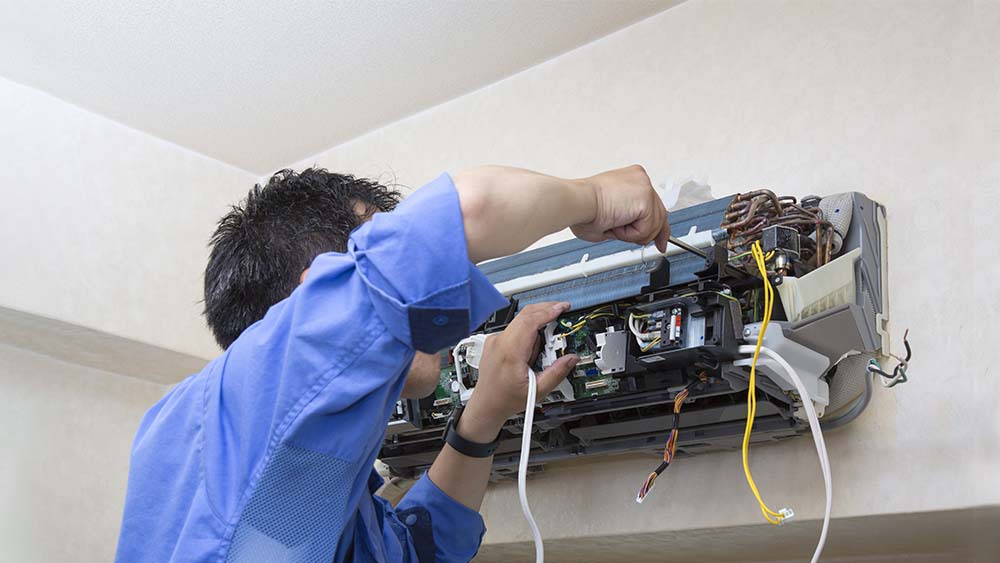
Repairing Your Ac System
Fixing an a/c unit involves recognizing common problems that might arise during operation. By complying with standard fixing steps, house owners can typically fix concerns before looking for expert help. Understanding when to call in professionals is likewise important for keeping peak performance and performance.
Common Ac System Problems
Air conditioners, while essential for keeping convenience in homes and businesses, can run into a range of issues that disrupt their procedure. Typical troubles consist of poor cooling, where the system fails to lower the temperature level properly, commonly as a result of a refrigerant leakage or a malfunctioning compressor. Another frequent issue is uncommon noises, which may indicate damaged components or loosened components. Air flow troubles can emerge from blocked filters or blocked air ducts, bring about lowered effectiveness. In addition, water leakages can take place if the drainpipe line is clogged or if the condensate pump falls short. Electrical issues, such as stumbled breakers or malfunctioning wiring, can lead to system shutdowns. Recognizing these usual troubles permits for prompt treatments, making sure peak efficiency.
Basic Repairing Steps
Lots of home owners might encounter problems with their a/c systems, but basic troubleshooting can usually fix these issues without the need for expert intervention. Individuals must examine the thermostat setups to validate it is set to cooling setting and the wanted temperature. Next, taking a look at the air filter for dust and blockages is vital, as a tidy filter boosts air flow and effectiveness. Home owners should also check the outdoor system for particles that may block air movement. Additionally, verifying that breaker are not stumbled can avoid power problems. Ultimately, paying attention for uncommon noises can indicate issues. By following these actions, lots of typical cooling concerns can be addressed properly, ensuring a comfy indoor environment.
When to Call Professionals
Exactly how can a home owner determine when it's time to look for professional aid for their a/c system? Identifying the indicators of a malfunctioning system is important. If the air conditioning unit stops working to cool effectively, generates unusual noises, or sends out unpleasant smells, expert intervention might be essential. Furthermore, regular cycling on and off or noticeable rises in energy bills can show underlying issues that call for professional diagnostics. If they discover visible leakages or too much humidity inside your home, house owners ought to likewise think about calling a great site service technician. Routine upkeep is essential, yet when problems continue despite basic repairing efforts, employing a specialist is the most effective training course of action to ensure safety and recover peak efficiency in the air conditioning unit.
Essential Maintenance Tips for A/c Systems
Heating and cooling systems are designed for resilience, routine maintenance is necessary to guarantee their effectiveness and durability. One crucial suggestion is to replace or tidy air filters every one to three months, as blocked filters impede air movement and minimize efficiency. Additionally, examining and cleaning the outside condenser system assists avoid debris build-up that can block air movement and heat exchange. AC Repair Tampa FL. Guaranteeing that the thermostat is functioning effectively is likewise essential, as inaccurate analyses can cause unneeded power usage
Moreover, scheduling seasonal professional examinations can recognize prospective issues early, guaranteeing peak efficiency. Property owners ought to additionally examine ductwork for leaks, which can substantially affect system performance. Finally, keeping appropriate insulation around air ducts and ensuring appropriate air flow can improve overall system efficiency. By sticking to these maintenance ideas, heating and cooling systems can run much more successfully, offering comfort while minimizing power costs.
The Relevance of Regular A/c Assessments
Routine cooling and heating evaluations are essential for keeping system effectiveness and stopping costly fixings. These examinations enable trained technicians to identify and address possible problems before they rise, making certain that the system operates at peak performance. Regular assessments can boost power performance, resulting in decreased utility expenses and a lower ecological influence.
Additionally, regular evaluations can extend the lifespan of HVAC units, as specialists clean components, change filters, and look for indications of wear. This positive strategy minimizes the likelihood of unforeseen failures during top use seasons. Furthermore, regular examinations add to improved interior air top quality by making sure that the system is functioning properly and effectively filtering system toxins.
Ultimately, purchasing regular cooling and heating evaluations fosters a much more comfy living atmosphere and safeguards against the expenses and inconveniences related to emergency fixings. This method is a key element of accountable heating and cooling management, benefiting both property owners and commercial building owners alike.
Upgrading Your Cooling And Heating System: When to Consider It
When taking into consideration the lasting performance of an a/c system, homeowners and residential or commercial property supervisors may ultimately deal with the decision to upgrade their devices. Several elements can influence this choice, consisting of power, efficiency, and age effectiveness. Usually, a cooling and heating system older than 10-15 years might have a hard time to give adequate home heating or cooling, causing enhanced utility bills and pain.
In addition, constant repair work can indicate that an upgrade is needed. If a system requires numerous repairs within a short duration, it might be much more economical to purchase a brand-new system.
Innovations in technology offer more recent units that are a lot more energy-efficient and eco friendly, possibly minimizing operating costs. Home owners ought to likewise think about modifications in their area requirements, such as adding spaces or transforming usage patterns, which might necessitate an extra robust system. Inevitably, identifying these signs can result in notified choices relating to heating and cooling upgrades.
Regularly Asked Concerns
What Is the Average Lifespan of an A/c Device?
The typical life expectancy of a cooling device generally varies from 15 to twenty years, relying on factors such as use, maintenance, and environmental problems. Appropriate care can expand this life-span past the average expectations.
How Much Does It Expense to Repair an A/c System?
The expense to repair a heating and cooling system differs extensively, normally varying from $150 to $1,500, depending on the problem's complexity, the needed parts, and labor prices, affecting overall expenses for property owners looking for repair services.
What Are the Signs of an Inefficient Air Conditioning Unit?
Indications of an ineffective a/c unit include inconsistent air conditioning, raised power costs, uncommon noises, constant cycling on and off, and the visibility of dampness or frost on the system. These indications suggest possible underlying concerns needing interest.
Can I Install a Cooling System Myself?
Thinking about self-installation of an a/c reference unit, one need to examine their technical abilities and expertise. While it is feasible, incorrect installation may result in inefficiency and prospective damage, recommending specialist support is frequently a good idea.
How Do I Pick the Right Size Ac Unit for My Home?
Selecting the right dimension a/c unit entails determining the home's square video footage, taking into consideration insulation top quality, and examining climate aspects. Appropriate sizing assurances reliable cooling, power cost savings, and suitable comfort throughout the space.
Heating and cooling systems, vital for preserving interior comfort, include home heating, air flow, and air conditioning modern technologies. Ventilation ensures the blood circulation of fresh air, lowering Your Domain Name indoor toxins and preserving acceptable air high quality degrees. Air conditioning, though a separate function, is indispensable to the A/c system, offering cooling alleviation during warmer periods. When it comes to maintaining indoor convenience during hot climate, common air conditioning problems can interrupt the efficiency of Heating and cooling systems. Several property owners may come across problems with their air conditioning systems, but basic troubleshooting can commonly fix these troubles without the requirement for professional intervention.